What's it like to backpack through South America? Our four and a half month experience through Peru, Bolivia and Chile will forever remain one of our most tr...
Showing posts with label Backpacking. Show all posts
Home » Posts filed under Backpacking
South: A Backpacking Adventure - Traveling Peru, Chile and Bolivia
Posted by Unknown on Thursday, January 22, 2015
What's it like to backpack through South America? Our four and a half month experience through Peru, Bolivia and Chile will forever remain one of our most tr...
Labels:
Adventure,
Adventure Travel,
Backpacking,
Bolivia,
Chile,
Peru,
South,
traveling
Gear Institute Announces Gear of the Year for 2014
Posted by Unknown on Monday, December 22, 2014
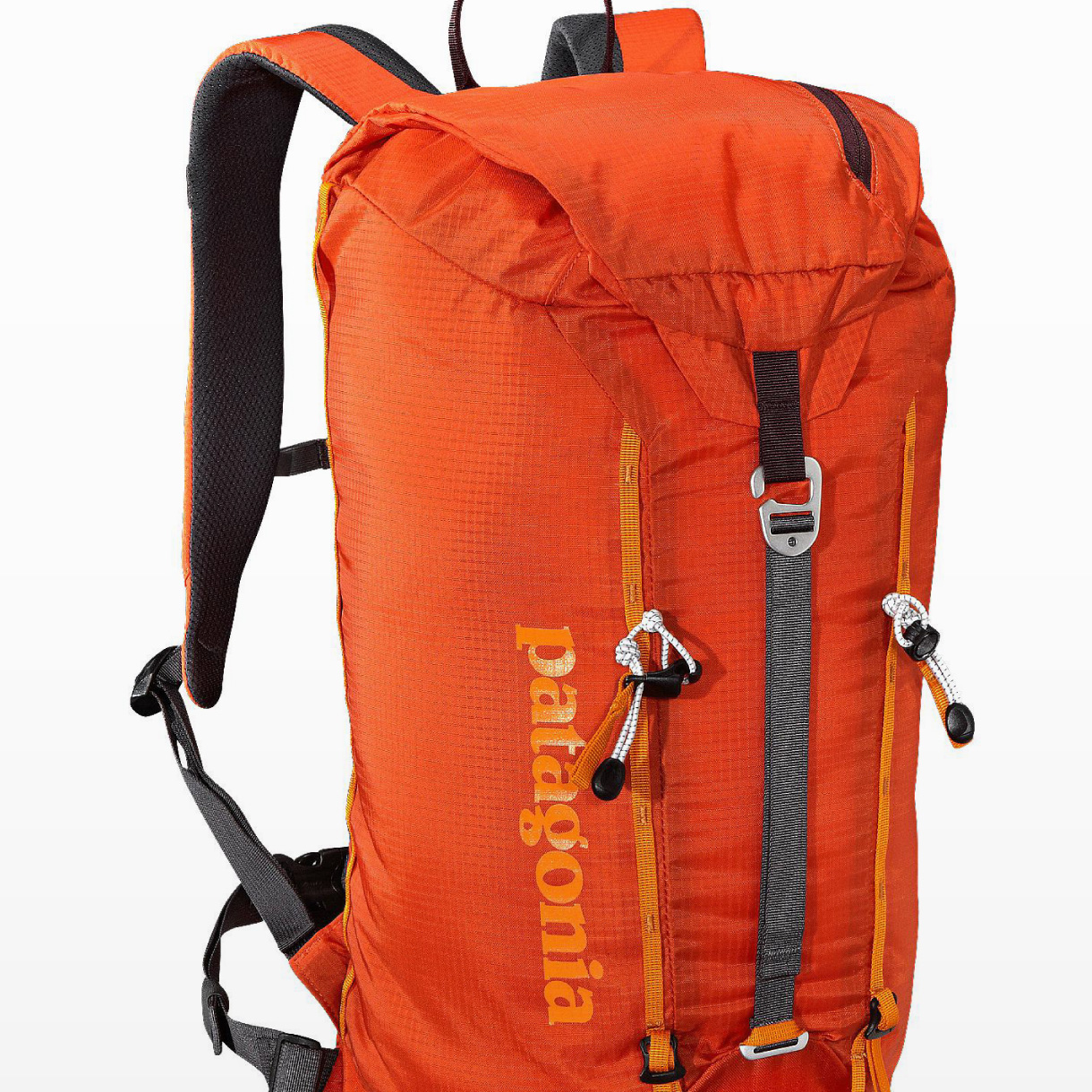
If you're still looking for that last minute Christmas gift for the outdoor adventurer in your life, and could use a little extra help, that perhaps the Gear Institute could be of assistance. The website, which is dedicated to all things outdoor gear related, has announced it's gear of the year picks for 2014, naming the items that are Best in Class in over 45 different categories that range from climbing, hiking, camping, running, and more.
Some of the items that earned this distinction from the expert staff over at the Gear Institute include the Lowa Camino LL Flex boots, which were named the best backpacking boot, and the Patagonia Ascensionist 35L which won best daypack. Joining those items in the winner circle were the La Sportive TC Pro climbing shoes (best all-purpose climbing shoe), and the Primus ETA Lite (best rapid-boil stove). Mountain Hardware's Skyledge 3 earned the distinction of being the best 3-person backpacking tent, while the Brooks Cascade 9 went home with the trophy for top comfort trail running shoes.
The Gear Institute has been around for a few years now, and over that time it has become one of the best online resources for anything outdoor gear related. Their team consists of numerous individual experts on specific gear items, and they put that expertise to good use testing and reviewing all kinds of items that will likely be of interest to you. Be sure to check out their Best in Class 2014 list to see what gear items have impressed them the most this year.
More about → Gear Institute Announces Gear of the Year for 2014
Some of the items that earned this distinction from the expert staff over at the Gear Institute include the Lowa Camino LL Flex boots, which were named the best backpacking boot, and the Patagonia Ascensionist 35L which won best daypack. Joining those items in the winner circle were the La Sportive TC Pro climbing shoes (best all-purpose climbing shoe), and the Primus ETA Lite (best rapid-boil stove). Mountain Hardware's Skyledge 3 earned the distinction of being the best 3-person backpacking tent, while the Brooks Cascade 9 went home with the trophy for top comfort trail running shoes.
The Gear Institute has been around for a few years now, and over that time it has become one of the best online resources for anything outdoor gear related. Their team consists of numerous individual experts on specific gear items, and they put that expertise to good use testing and reviewing all kinds of items that will likely be of interest to you. Be sure to check out their Best in Class 2014 list to see what gear items have impressed them the most this year.
Labels:
Backpacking,
Climbing,
Gear,
Hiking,
Packs
Help Support the Pacific Crest Trail
Posted by Unknown on Friday, December 19, 2014
With the recent release of the movie Wild, starring Reese Witherspoon, there has been a lot of attention called to the Pacific Crest Trail. In the biographical film, Witherspoon plays Cheryl Strayed, who decided to through hike the PCT while she was going through some personal crisis in her life. Now, the real Cheryl Strayed is calling on us to help support the trail in its time of need.
In the video below, we get a glimpse of just some of the outstanding landscapes that the PCT passes along its course, which starts at the U.S.-Mexican border in the south, and runs to the U.S.-Canadian border in the north. In total, the trail is an incredible 2663 miles (4285 km) in length, and passes through some of the most amazing wilderness locations in all of North America. But the PCT is also under constant threat from developers, big companies, and careless people who neglect the environment.
The Pacific Crest Trail Association is a non-profit that works tirelessly to protect the PCT. The organization could use our help to ensure that this great hiking route remains one of the best on the planet. If you can, volunteer some time, or donate some money, to help keep the Pacific Crest Trail a fantastic resource for outdoor enthusiasts now, and in future generations.
Check out the video below for more information, and then take a virtual walk on the PCT yourself.
More about → Help Support the Pacific Crest Trail
In the video below, we get a glimpse of just some of the outstanding landscapes that the PCT passes along its course, which starts at the U.S.-Mexican border in the south, and runs to the U.S.-Canadian border in the north. In total, the trail is an incredible 2663 miles (4285 km) in length, and passes through some of the most amazing wilderness locations in all of North America. But the PCT is also under constant threat from developers, big companies, and careless people who neglect the environment.
The Pacific Crest Trail Association is a non-profit that works tirelessly to protect the PCT. The organization could use our help to ensure that this great hiking route remains one of the best on the planet. If you can, volunteer some time, or donate some money, to help keep the Pacific Crest Trail a fantastic resource for outdoor enthusiasts now, and in future generations.
Check out the video below for more information, and then take a virtual walk on the PCT yourself.
Labels:
Backpacking,
Hiking,
Movies,
Pacific Crest Trail,
Video
Outside Names the 20 Most Deadly Hikes in the World
Posted by Unknown on Tuesday, December 2, 2014
Most people don't regard hiking as being a particularly dangerous activity. After all, millions of people go hiking on a regular basis, and most return home without even a hint of a harrowing tale to share with their friends and family. But depending on the destination, hiking can be a serious adventure, and even quite dangerous at times. With that in mind, Outside magazine has listed their selection for the 20 Most Dangerous Hikes, with some surprising trails making the list.
These 20 hikes are amongst some of the most amazing places to trek on the planet, and the locations range from Guatemala to China, to South Africa, and beyond. In fact, there are hikes on the list from just about every corner of the globe, although North America is particularly well represented.
Amongst the trails that make he cut are Huayna Picchu in Peru, a trail that wanders up an ancient staircase carved out of a mountain by Inca craftsmen 500 years ago. The route climbs more than 1000 feet (305 meters) in less than a mile (1.6 km), offering spectacular views Machu Picchu along the way. But the route is slippery, steep, and crumbling with age, which has earned it the nickname "the Hike of Death."
With its narrow slot canyons, deep gorges, and remote location, The Maze in Canyonlands National Park is another dangerous hike. Just getting there can be quite an adventure, and Outside says that just 2000 people actually go on any given year. Those that do, find a series of twisting, confusing rock corridors that are a clear indication of how the place got its name. The potential for flash floods and rock falls only add to the danger, although thankfully no one has died in The Maze just yet.
Scotland's Aonach Eagach Ridge also earns a spot on Outside's list thanks to its narrow ridge trail, steep slopes, and unpredictable weather. The knife-edge approach to the top of the trails twin mountain peaks is very exposed, often leaving hikers feeling vertigo, and a deep desire to get off the route as quickly, and easily, as possible. Accidents often occur on the descent, as hikers pick the wrong line for their exit from the mountain.
These are just a few examples of the trails that Outside has put on their list. To read the entire collection, and find your next hiking challenge, click here.
More about → Outside Names the 20 Most Deadly Hikes in the World
These 20 hikes are amongst some of the most amazing places to trek on the planet, and the locations range from Guatemala to China, to South Africa, and beyond. In fact, there are hikes on the list from just about every corner of the globe, although North America is particularly well represented.
Amongst the trails that make he cut are Huayna Picchu in Peru, a trail that wanders up an ancient staircase carved out of a mountain by Inca craftsmen 500 years ago. The route climbs more than 1000 feet (305 meters) in less than a mile (1.6 km), offering spectacular views Machu Picchu along the way. But the route is slippery, steep, and crumbling with age, which has earned it the nickname "the Hike of Death."
With its narrow slot canyons, deep gorges, and remote location, The Maze in Canyonlands National Park is another dangerous hike. Just getting there can be quite an adventure, and Outside says that just 2000 people actually go on any given year. Those that do, find a series of twisting, confusing rock corridors that are a clear indication of how the place got its name. The potential for flash floods and rock falls only add to the danger, although thankfully no one has died in The Maze just yet.
Scotland's Aonach Eagach Ridge also earns a spot on Outside's list thanks to its narrow ridge trail, steep slopes, and unpredictable weather. The knife-edge approach to the top of the trails twin mountain peaks is very exposed, often leaving hikers feeling vertigo, and a deep desire to get off the route as quickly, and easily, as possible. Accidents often occur on the descent, as hikers pick the wrong line for their exit from the mountain.
These are just a few examples of the trails that Outside has put on their list. To read the entire collection, and find your next hiking challenge, click here.
Labels:
Backpacking,
Hiking,
Outside Magazine,
Trekking
The Adventure Blog Holiday Shopping Guide
Posted by Unknown on Wednesday, November 26, 2014
Thanksgiving is always a great time here in the States. Friends and family gather together to catch-up with one another, enjoy some great food, and relax for a few days. But, it also kicks off the frenzy of the holiday shopping season, with millions of consumers heading out to stores in search of the perfect present for their loved ones. If you have an outdoor adventurer on your shopping list this year, then perhaps I can suggest a few items that they might find under the tree. Without further adieu, I present to you the 2014 Adventure Blog holiday shopping guide.
Osprey Rev 12 Pack ($110)
The perfect gift for the trail or ultra runner in your life is, without a doubt, the Rev 12 pack from Osprey. It is lightweight, comfortable to wear, and packed with features. For instance, it comes with with a 2.5L hydration bladder, an innovative media pocket that keeps your phone close at hand at all times, and plenty of pockets and compartments for storage of essential gear. This is simply one of the best packs ever made for trail running, and it is sure to be a hit with your favorite outdoor athlete. The Rev is also available in 1.5 liter, 6, liter, 18 liter, and 24 liter sizes depending on the needs of the runner.
Mountain Hardwear Sereaction Jacket ($600)
Looking for the ultimate high performance jacket to keep your favorite adventurer warm and dry in the mountains? Then look no further than the Sereaction Jacket from Mountain Hardwear. This shell features the company's proprietary Dry.Q Elite fabrics, which were developed for maximum breathability and ventilation during rigorous alpine activities. Designed to allow the wearer to remain comfortable at all times, without restricting movement, this is a jacket that will perform well in nearly any kind of environment and conditions.
Bikes From Cannondale
One of the best presents that anyone can find under the tree on Christmas morning is a new bike. That was true when we were kids, and it remains true to this day. Cannondale always has excellent models to fit every type of rider. The Trail SL 29 ($2060) is a great ride for all-mountain performance, while the Quick CX 1 ($1620) is a fun hybrid for comfortable off-road and city riding. But for the top of the line mountain biking experience, check out the Trigger Carbon Black, Inc. ($10,830), a lightweight, nimble beast that can both climb and descend like no other. This is quite possibly the best mountain bike available today.
CamelBak Forge Travel Mug ($30)
If you've been looking for the ultimate travel mug, your search is over. CamelBak (yes, the makers of all those hydration packs!) has gone to great lengths to design the best travel mug imaginable. The Forge features a double-wall, vacuum insulated container that will keep your coffee, tea, or hot chocolate warm for 4+ hours. Its innovative lid features a leak-proof design that is built to keep your hot beverage going inside of you, not down the front of your shirt. Best of all, CamelBak has come up with a way to make it easier than ever to keep you mug clean, with a design that is so simple, you'll wonder why no one thought of it sooner. This is a wonderful product that is perfect for just about anyone on your list.
Outdoor Technology Big Turtle Shell Wireless Speaker ($230)
These days, Bluetooth wireless speakers are everywhere, and have become a popular accessory for our outdoor adventures. But few of them are built from the ground up to survive in the backcountry, while also delivering high quality sound in the process. The Big Turtle Shell from Outdoor Technology has been designed to not only provide great audio performance, but it is also water resistant, dust proof, and shock proof. That means, music lovers don't have to compromise on sounds when they go camping or backpacking. And with a battery life of 16 hours, they'll be able to listen for a long time between recharges.
Sugoi Cycling and Running Jackets
Running and cycling apparel also make for great gifts, and Sugoi has some of the best gear for both sports. Take for example the new Zap Bike Jacket ($160), which features the innovative Pixel fabrics that are designed to be both highly waterproof and incredibly reflective. This is the kind of jacket you want your loved one wearing when the rain sets in, or darkness starts to fall a bit earlier than expected. Similarly, the Alpha Hybrid Jacket ($175) is tailor made for runners. It provides plenty of warmth for those cold weather outings, with great breathability to ensure overheating doesn't become an issue. Wind and water resistant, the Alpha will quickly become a favorite piece of gear for your favorite runner.
Vasque Grand Traverse Shoes ($130)
Adventure travelers looking for a lightweight, highly packable, and very comfortable shoe to take with them on journeys will want to consider the Grand Traverse from Vasque. Good looking and versatile, these shoes are perfect for light trail duty, traipsing around town, or shuffling through an airport. Depending on the type of activities that are part of the itinerary, the Grand Traverse just might be the only shoe you need to take with you on that next adventure abroad.
Nite Ize Inova STS Headlamp ($35)
There are a lot of headlamps available on the market today, but what sets the Inova STS from Nite Ize apart from the competition is its unique swipe-to-shine technology. This allows the wearer to quickly and easily dial in the exact level of brightness they need without having to fumble with buttons, special modes, or switches. The headlamp is capable of putting out as much as 142 lumens of power, and is waterproof to one meter, as well as drop resistant.
Goal Zero Sherpa 50 Power Pack ($200)
Keeping your electronic devices fully charged in the backcountry can be a real challenge these days. In addition to smartphones and digital camera, we also have to be able to keep your GPS devices, rechargeable headlamps, and other gadgets working too. It would be nice if that extended to tablets and laptops as well. Enter the Sherpa 50 Power Pack($200) from Goal Zero, a battery pack that can provide plenty of juice for everything you take with you on your adventures. Charge it up before you leave home, or pair it with a Nomad 13 solar panel ($160) for a portable charging solution.
Buffs ($20)
Buffs have been around a long time now, and they remain one piece of gear that I never leave home without. These versatile pieces of headgear can serve as a scarf, balaclava, do-rag, face mask, and so much more. Available in dozens of colors and styles, they make great stocking stuffers for the active outdoor enthusiast. Personally, I'm a bit partial the new National Geographic Everest design, but there are so many to choose from, it's tough to decide which is best. And don't forget there are Buffs designed specifically for cold weather use as well.
Chums Gizmo PED Case ($25)
Keeping our electronic devices safe while in the backcountry, or on a trip to the far side of the planet is of the utmost importance. That's why Chums has introduced a new set of products designed to do just that. The Gizmo case is offers padded protection for a smartphone, digital camera, or similarly sized device, with an interior that is lined with soft fleece to protect delicate screens. The outer shell is made of ballistic nylon to help provide further protection, while a couple of interior pockets are great for organization. The case is perfect for an iPhone 6, charger, and cable, with enough room left over for a few other items too.
Vessyl Smart Cup ($99)
Fitness and workout nuts will love Vessyl, a smart cup that can keep track of everything they drink, and provide nutritional feedback. With its sophisticated set of sensors, the Vessyl is capable of detecting the brand, flavor, and contents of just about anything that is put into it, and store that data for analysis over time. The device can then break down the "liquid calories" consumed by the user, making them more aware of what they are drinking. When linked to a smartphone, the device can help users lose weight, stay hydrated, regulate sugar and caffeine intake, and more. The Vessyl will ship in 2015, but can be preordered now at a special introductory price.
More about → The Adventure Blog Holiday Shopping Guide
Osprey Rev 12 Pack ($110)
The perfect gift for the trail or ultra runner in your life is, without a doubt, the Rev 12 pack from Osprey. It is lightweight, comfortable to wear, and packed with features. For instance, it comes with with a 2.5L hydration bladder, an innovative media pocket that keeps your phone close at hand at all times, and plenty of pockets and compartments for storage of essential gear. This is simply one of the best packs ever made for trail running, and it is sure to be a hit with your favorite outdoor athlete. The Rev is also available in 1.5 liter, 6, liter, 18 liter, and 24 liter sizes depending on the needs of the runner.
Mountain Hardwear Sereaction Jacket ($600)
Looking for the ultimate high performance jacket to keep your favorite adventurer warm and dry in the mountains? Then look no further than the Sereaction Jacket from Mountain Hardwear. This shell features the company's proprietary Dry.Q Elite fabrics, which were developed for maximum breathability and ventilation during rigorous alpine activities. Designed to allow the wearer to remain comfortable at all times, without restricting movement, this is a jacket that will perform well in nearly any kind of environment and conditions.
Bikes From Cannondale
One of the best presents that anyone can find under the tree on Christmas morning is a new bike. That was true when we were kids, and it remains true to this day. Cannondale always has excellent models to fit every type of rider. The Trail SL 29 ($2060) is a great ride for all-mountain performance, while the Quick CX 1 ($1620) is a fun hybrid for comfortable off-road and city riding. But for the top of the line mountain biking experience, check out the Trigger Carbon Black, Inc. ($10,830), a lightweight, nimble beast that can both climb and descend like no other. This is quite possibly the best mountain bike available today.
CamelBak Forge Travel Mug ($30)
If you've been looking for the ultimate travel mug, your search is over. CamelBak (yes, the makers of all those hydration packs!) has gone to great lengths to design the best travel mug imaginable. The Forge features a double-wall, vacuum insulated container that will keep your coffee, tea, or hot chocolate warm for 4+ hours. Its innovative lid features a leak-proof design that is built to keep your hot beverage going inside of you, not down the front of your shirt. Best of all, CamelBak has come up with a way to make it easier than ever to keep you mug clean, with a design that is so simple, you'll wonder why no one thought of it sooner. This is a wonderful product that is perfect for just about anyone on your list.
Outdoor Technology Big Turtle Shell Wireless Speaker ($230)
These days, Bluetooth wireless speakers are everywhere, and have become a popular accessory for our outdoor adventures. But few of them are built from the ground up to survive in the backcountry, while also delivering high quality sound in the process. The Big Turtle Shell from Outdoor Technology has been designed to not only provide great audio performance, but it is also water resistant, dust proof, and shock proof. That means, music lovers don't have to compromise on sounds when they go camping or backpacking. And with a battery life of 16 hours, they'll be able to listen for a long time between recharges.
Sugoi Cycling and Running Jackets
Running and cycling apparel also make for great gifts, and Sugoi has some of the best gear for both sports. Take for example the new Zap Bike Jacket ($160), which features the innovative Pixel fabrics that are designed to be both highly waterproof and incredibly reflective. This is the kind of jacket you want your loved one wearing when the rain sets in, or darkness starts to fall a bit earlier than expected. Similarly, the Alpha Hybrid Jacket ($175) is tailor made for runners. It provides plenty of warmth for those cold weather outings, with great breathability to ensure overheating doesn't become an issue. Wind and water resistant, the Alpha will quickly become a favorite piece of gear for your favorite runner.
Vasque Grand Traverse Shoes ($130)
Adventure travelers looking for a lightweight, highly packable, and very comfortable shoe to take with them on journeys will want to consider the Grand Traverse from Vasque. Good looking and versatile, these shoes are perfect for light trail duty, traipsing around town, or shuffling through an airport. Depending on the type of activities that are part of the itinerary, the Grand Traverse just might be the only shoe you need to take with you on that next adventure abroad.
Nite Ize Inova STS Headlamp ($35)
There are a lot of headlamps available on the market today, but what sets the Inova STS from Nite Ize apart from the competition is its unique swipe-to-shine technology. This allows the wearer to quickly and easily dial in the exact level of brightness they need without having to fumble with buttons, special modes, or switches. The headlamp is capable of putting out as much as 142 lumens of power, and is waterproof to one meter, as well as drop resistant.
Goal Zero Sherpa 50 Power Pack ($200)
Keeping your electronic devices fully charged in the backcountry can be a real challenge these days. In addition to smartphones and digital camera, we also have to be able to keep your GPS devices, rechargeable headlamps, and other gadgets working too. It would be nice if that extended to tablets and laptops as well. Enter the Sherpa 50 Power Pack($200) from Goal Zero, a battery pack that can provide plenty of juice for everything you take with you on your adventures. Charge it up before you leave home, or pair it with a Nomad 13 solar panel ($160) for a portable charging solution.
Buffs ($20)
Buffs have been around a long time now, and they remain one piece of gear that I never leave home without. These versatile pieces of headgear can serve as a scarf, balaclava, do-rag, face mask, and so much more. Available in dozens of colors and styles, they make great stocking stuffers for the active outdoor enthusiast. Personally, I'm a bit partial the new National Geographic Everest design, but there are so many to choose from, it's tough to decide which is best. And don't forget there are Buffs designed specifically for cold weather use as well.
Chums Gizmo PED Case ($25)
Keeping our electronic devices safe while in the backcountry, or on a trip to the far side of the planet is of the utmost importance. That's why Chums has introduced a new set of products designed to do just that. The Gizmo case is offers padded protection for a smartphone, digital camera, or similarly sized device, with an interior that is lined with soft fleece to protect delicate screens. The outer shell is made of ballistic nylon to help provide further protection, while a couple of interior pockets are great for organization. The case is perfect for an iPhone 6, charger, and cable, with enough room left over for a few other items too.
Vessyl Smart Cup ($99)
Fitness and workout nuts will love Vessyl, a smart cup that can keep track of everything they drink, and provide nutritional feedback. With its sophisticated set of sensors, the Vessyl is capable of detecting the brand, flavor, and contents of just about anything that is put into it, and store that data for analysis over time. The device can then break down the "liquid calories" consumed by the user, making them more aware of what they are drinking. When linked to a smartphone, the device can help users lose weight, stay hydrated, regulate sugar and caffeine intake, and more. The Vessyl will ship in 2015, but can be preordered now at a special introductory price.
Labels:
Backpacking,
Cycling,
Gear,
Jacket,
Mountain Biking,
Packs,
Trail Running
Gear Closet: adidas Terrex Swift R Mid Women's Hiking Boot
Posted by Unknown on Monday, October 27, 2014
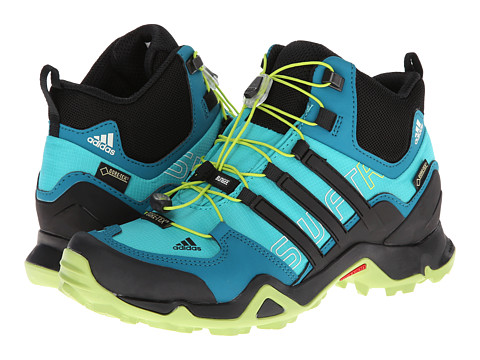
The search for the perfect hiking boot can be a daunting proposition at times. When we're plunking down our hard-earned cash, we of course want boots that are comfortable, provides plenty of support, and fit our feet properly. They should also be durable enough to survive many adventures in the backcountry, and it doesn't hurt if they look good too. For us men, the challenge of finding something that meets all of those qualifications can require a great deal of patience, even though we tend to be less concerned with what we put on our feet. Imagine how difficult it can be to find the right hiking show for a woman, many of whom put far more thought into their footwear than we ever will.
Recently, my better-half has had the chance to test out the Terrex Swift R Mid women's hiking boot from adidas, a company that is more well known for its basketball, soccer, and running shoes. But over the past few years, adidas has quietly built a great collection of outdoor gear, some of which is incredibly innovative, and delivers a high level of performance.
The designers at adidas have taken their extensive knowledge of sports and athletics, and brought some of that sensibility to the outdoor gear market as well. As a result, their hiking boots and apparel tend to be lightweight, performance focused, and incredibly well built. I have met with reps from adidas several times over the past few years while attending the summer Outdoor Retailer show, and each time I've come away very impressed with what they have in the pipeline. In fact, I've wanted to get my hands on a pair of their Terrex hiking boots for some time, but jumped at the chance for them to outfit my fiancé instead. She has been in need of a good pair of hiking boots for some time, and was struggling to find something that fit her needs. Fortunately, adidas had something that provided the fit she was looking for, as well as comfort that rivaled the sneakers that they are so well known for.
Just one look at the Swift R Mid, and you can tell that you're not going to encounter anything else like them out on the trail. They definitely have a unique design, and the color combinations are unique and attractive, without becoming overly obnoxious. With a background that is deeply rooted in the athletic shoe market, adidas could have easily gone overboard with their color combinations, but I feel they managed to strike a good middle-ground with giving these shoes a distinct look that shouldn't immediately turn off most hikers.
Out of the box, the Terrex boots are a bit stiff, and it has taken some time to break them in. In fact, my SO had a difficult time even getting her foot in the shoe at first, as the portion of the boot that provides high-ankle support didn't provide a lot of give. But after wearing them for a bit, they've loosened up some, providing better access over time. That same portion of the show does help to keep the ankle from rolling on uneven ground however, and it seems these boots are a good fit for anyone who requires that extra support.
Built with a number of adidas' own proprietary fabrics and materials, the Terrex Swift is built to be very breathable, while also remaining extremely durable as well. The company did use a lightweight Gore-Tex liner however, which makes the interior of the shoe waterproof, while still managing to wick moisture away from the foot. The same liner should provide a level of warmth on cool-weather, or early winter hikes, too.
Built like a lightweight hiking boot, but with the soul of an athletic shoe, the Swift performs well on the trail. Its outsole is built to provide a solid grip on a variety of surfaces, even in wet conditions. It is also made designed to be agile and fast on the trail as well, which makes this shoe a great choice for everything from light hiking to fast packing to adventure travel. Its level of comfort is unmatched, and because it is lightweight, it is also very packable.
Not everything was rosy with these boots however. After our initial hike, my fiancé came home with a few blisters, even though she was wearing excellent hiking socks. Of course, everyone's foot is different, and blisters can occur for a variety of reasons, but it is important to point out that they did occur. I've found that over time, hiking boots tend to loosen up some, and blistering tends to go away, but as with any athletic shoe, it is important to get the right fit, and wear appropriate socks too.
Overall, the adidas Terrex Swift R Mid gets a thumbs up with my favorite female gear tester. Lightweight and comfortable, they bring a unique styling to the trail, while also offering solid performance that belies their athletic shoe heritage. With a price tag of $160, they fall squarely into the mid-range level of hiking shoes, but provide plenty of high-end amenities. If you're in the market for a good pair of hiking boots (adidas makes a men's version of the shoe as well), and you're looking for something that is built for speed, then take a look at the Terrex Swift. Chances are, you won't be disappointed.
More about → Gear Closet: adidas Terrex Swift R Mid Women's Hiking Boot
Recently, my better-half has had the chance to test out the Terrex Swift R Mid women's hiking boot from adidas, a company that is more well known for its basketball, soccer, and running shoes. But over the past few years, adidas has quietly built a great collection of outdoor gear, some of which is incredibly innovative, and delivers a high level of performance.
The designers at adidas have taken their extensive knowledge of sports and athletics, and brought some of that sensibility to the outdoor gear market as well. As a result, their hiking boots and apparel tend to be lightweight, performance focused, and incredibly well built. I have met with reps from adidas several times over the past few years while attending the summer Outdoor Retailer show, and each time I've come away very impressed with what they have in the pipeline. In fact, I've wanted to get my hands on a pair of their Terrex hiking boots for some time, but jumped at the chance for them to outfit my fiancé instead. She has been in need of a good pair of hiking boots for some time, and was struggling to find something that fit her needs. Fortunately, adidas had something that provided the fit she was looking for, as well as comfort that rivaled the sneakers that they are so well known for.
Just one look at the Swift R Mid, and you can tell that you're not going to encounter anything else like them out on the trail. They definitely have a unique design, and the color combinations are unique and attractive, without becoming overly obnoxious. With a background that is deeply rooted in the athletic shoe market, adidas could have easily gone overboard with their color combinations, but I feel they managed to strike a good middle-ground with giving these shoes a distinct look that shouldn't immediately turn off most hikers.
Out of the box, the Terrex boots are a bit stiff, and it has taken some time to break them in. In fact, my SO had a difficult time even getting her foot in the shoe at first, as the portion of the boot that provides high-ankle support didn't provide a lot of give. But after wearing them for a bit, they've loosened up some, providing better access over time. That same portion of the show does help to keep the ankle from rolling on uneven ground however, and it seems these boots are a good fit for anyone who requires that extra support.
Built with a number of adidas' own proprietary fabrics and materials, the Terrex Swift is built to be very breathable, while also remaining extremely durable as well. The company did use a lightweight Gore-Tex liner however, which makes the interior of the shoe waterproof, while still managing to wick moisture away from the foot. The same liner should provide a level of warmth on cool-weather, or early winter hikes, too.
Built like a lightweight hiking boot, but with the soul of an athletic shoe, the Swift performs well on the trail. Its outsole is built to provide a solid grip on a variety of surfaces, even in wet conditions. It is also made designed to be agile and fast on the trail as well, which makes this shoe a great choice for everything from light hiking to fast packing to adventure travel. Its level of comfort is unmatched, and because it is lightweight, it is also very packable.
Not everything was rosy with these boots however. After our initial hike, my fiancé came home with a few blisters, even though she was wearing excellent hiking socks. Of course, everyone's foot is different, and blisters can occur for a variety of reasons, but it is important to point out that they did occur. I've found that over time, hiking boots tend to loosen up some, and blistering tends to go away, but as with any athletic shoe, it is important to get the right fit, and wear appropriate socks too.
Overall, the adidas Terrex Swift R Mid gets a thumbs up with my favorite female gear tester. Lightweight and comfortable, they bring a unique styling to the trail, while also offering solid performance that belies their athletic shoe heritage. With a price tag of $160, they fall squarely into the mid-range level of hiking shoes, but provide plenty of high-end amenities. If you're in the market for a good pair of hiking boots (adidas makes a men's version of the shoe as well), and you're looking for something that is built for speed, then take a look at the Terrex Swift. Chances are, you won't be disappointed.
Labels:
Backpacking,
Boots,
Gear,
Hiking,
Trekking
Gear Closet: Bushnell Rubicon A200L Compact Lantern
Posted by Unknown on Thursday, October 9, 2014
Recently I reviewed the UCO Tetra lantern, and found it to be a fun, innovative little gadget that not only made an excellent flashlight and lantern, but also allowed you to charge your smartphone and other gadgets from its internal rechargeable battery. In that review, I mentioned that I had another lantern that I'd been testing, and that while I had considered reviewing them both in the same article, I eventually decided that they both deserved their own independent review. Today, I'm back with some thoughts on the Rubicon A200L Compact Lantern from Bushnell, a product that is more focused on strictly being a lantern, but still deliver some great innovation in its own right.
This lightweight, but still rugged, lantern will impress you straight out of the box with how durable it feels in your hands. While it weighs just 11.8 ounces (335 grams), it feels like it is strong enough to survive just about anything you can throw at it, without adding a lot of undue weight to your pack. Bushnell says that it is impact proof to up to 2 meters, which ought to be enough to cover the usual jostling about of gear while on the trail. The company has a legacy of building quality outdoor products that dates back decades, and that shows through in this lantern too.
Of course, it doesn't matter how rugged a lantern is if it doesn't provide plenty of light. The Rubicon has you covered in that area too, cranking out an incredibly bright 200 lumens on its highest setting from its integrated LED lamp. Powered by four "AA" batteries, you'll get a burn time of about 5 hours on that setting. Considering just how bright 200 lumens actually is – particularly around a dark campsite – Bushnell had the foresight to include a much lower setting as well. When dropped down to that mode, the lantern will still give off 25 lumens – plenty of light for inside a tent – and increase the burn time to an impressive 134 hours.
"High" and "low" aren't the only two light settings you'll get with the Rubicon however. It also comes equipped with a "down light" mode, which when activated, focuses the light through the bottom of the lantern. This is incredibly useful when hanging the light inside your tent, allowing you to read in your sleeping bag, or organize gear in your pack. Bushnell even includes a handy carabiner loop on the top of the lantern to make it easer to hand the Rubicon from a tent loop or overhead branch. When this mode is activated, the lantern gives off about 20 lumens, and has a burn time of around 47 hours.
As if that wasn't enough, the Rubicon also comes with a "Red Halo" mode as well, which is great when turning on the lantern in very low-light conditions. This subtle method of illumination actually enhances your natural night vision, without blinding you with bright, harsh, white light.
The designers of the Rubicon added a few other surprises to the lantern as well. For instance, it includes three foldable legs that allow it to sit securely, even on uneven surfaces. It is also IPX4 water resistant, which means you shouldn't immerse it water, but it will survive splashes just fine. In practical terms, that means the light will function properly, and continue to perform well, even when its raining.
Perhaps the best feature of the Rubicon is its price. This compact, powerful, and durable lantern carries a list price of $37.49, although it can be found for far less online. Considering everything that the lantern delivers, and the legacy of the company behind it, that is a great price for a piece of gear that performs well, and will accompany you on many adventures to come.
More about → Gear Closet: Bushnell Rubicon A200L Compact Lantern
This lightweight, but still rugged, lantern will impress you straight out of the box with how durable it feels in your hands. While it weighs just 11.8 ounces (335 grams), it feels like it is strong enough to survive just about anything you can throw at it, without adding a lot of undue weight to your pack. Bushnell says that it is impact proof to up to 2 meters, which ought to be enough to cover the usual jostling about of gear while on the trail. The company has a legacy of building quality outdoor products that dates back decades, and that shows through in this lantern too.
Of course, it doesn't matter how rugged a lantern is if it doesn't provide plenty of light. The Rubicon has you covered in that area too, cranking out an incredibly bright 200 lumens on its highest setting from its integrated LED lamp. Powered by four "AA" batteries, you'll get a burn time of about 5 hours on that setting. Considering just how bright 200 lumens actually is – particularly around a dark campsite – Bushnell had the foresight to include a much lower setting as well. When dropped down to that mode, the lantern will still give off 25 lumens – plenty of light for inside a tent – and increase the burn time to an impressive 134 hours.
"High" and "low" aren't the only two light settings you'll get with the Rubicon however. It also comes equipped with a "down light" mode, which when activated, focuses the light through the bottom of the lantern. This is incredibly useful when hanging the light inside your tent, allowing you to read in your sleeping bag, or organize gear in your pack. Bushnell even includes a handy carabiner loop on the top of the lantern to make it easer to hand the Rubicon from a tent loop or overhead branch. When this mode is activated, the lantern gives off about 20 lumens, and has a burn time of around 47 hours.
As if that wasn't enough, the Rubicon also comes with a "Red Halo" mode as well, which is great when turning on the lantern in very low-light conditions. This subtle method of illumination actually enhances your natural night vision, without blinding you with bright, harsh, white light.
The designers of the Rubicon added a few other surprises to the lantern as well. For instance, it includes three foldable legs that allow it to sit securely, even on uneven surfaces. It is also IPX4 water resistant, which means you shouldn't immerse it water, but it will survive splashes just fine. In practical terms, that means the light will function properly, and continue to perform well, even when its raining.
Perhaps the best feature of the Rubicon is its price. This compact, powerful, and durable lantern carries a list price of $37.49, although it can be found for far less online. Considering everything that the lantern delivers, and the legacy of the company behind it, that is a great price for a piece of gear that performs well, and will accompany you on many adventures to come.
Labels:
Backpacking,
Camping,
Gear
Video: The Days That You Remember
Posted by Unknown on Monday, October 6, 2014
For a company that makes some of the best outdoor gear on the planet, Mountain Hardwear is certainly adept at making adventure films too. Case in point, this great video which does a fantastic job of capturing the essence of why we love being outside, and exploring the wild places of our planet. Mountain Hardwear doesn't just want to sell you gear, they want to inspire you to go out and use it too. Well done on both accounts.
Days You Remember from Mountain Hardwear on Vimeo.
More about → Video: The Days That You Remember
Labels:
Backpacking,
Gear,
General Adventure,
Mountaineering,
Video
Gear Closet: Bushnell SolarWrap Mini
Posted by Unknown on Wednesday, October 1, 2014
Yesterday I posted a review of an ingenious little lantern that came packed with a host of nice features that are sure to make it a hit with adventure travelers and the outdoor crowd alike. Today, I have another product aimed at the same market that is also wonderfully designed, simple in its operation, and incredibly useful in the field. It is the Bushnell SolarWrap Mini, a small and light solar charger to keep our favorite devices operating while we're on our adventures.
Over the past few years, solar panels have gotten more efficient, and as a result, they've also become an increasingly viable way to keep all of our electronic devices charged while in the backcountry. Bushnell has taken a novel approach to the SolarWarp series by actually integrating its solar cells onto a piece of fabric that can be folded up for storage. In the case of the SolarWrap Mini those solar panels actually wrap around a tough, but lightweight, metal tube, that also houses a rechargeable Lithium-Ion battery, and two USB ports, one for storing a charge, and one for sharing it.
The entire package is 4.3" (11 cm) in length, and about 1.25" (3.1 cm) in diameter. It also weighs just 3.1 ounces (87.8 grams), which makes the entire solar charger incredibly lightweight and compact. In fact, it is so small and light, that you can toss it in a backpack, and completely forget it is there.
When you're ready to charge a device, you simply pull it out, and plug your gadget into the full-size USB port, which is located under the included rubber end caps. Those caps provide a nice level of protection to the delicate ports while traveling, and are a nice addition to the overall package. The built-in battery is capable of providing a full recharge to a smartphone, two charges to an MP3 player, or 2.5 charges to a small camera. The 1 amp output from the USB is fairly speed for such a small solar charger, and while it will work on tablets as well, don't expect it to provide a full charge for those devices.
A mini-USB port is located on the opposite end of the battery tube, which allows travelers to charge the device before heading out into the field. It takes about 4 hours to complete charge the battery from a laptop, although I found that time was considerably quicker when using a USB wall charger. Bushnell says it takes roughly 10 hours to fully recharge the SolarWrap Mini using the sun, but that time can vary somewhat depending on how much direct sunlight is available.
When fully extended, the pull-out solar panel stretches for 18 inches, and includes a conveniently placed eyelet for connecting it to a backpack. This allows the battery to soak up a charge all day long, and be ready for distributing that charge once you reach campsite for the night. To start charging, just locate your device's USB cable, and plug it in. The SolarWrap will take care of the rest.
The SolarWrap Mini carries an MSRP of $89.99, although it can be found online at discounted prices. For anyone who needs to keep their gadgets charged while on the go, the Mini is a must-have device. It is compact in size, weighs next to nothing, and yet is capable of producing a solid amount of juice to keep our cell phones, cameras, and other small devices running. Personally, when you factor in the size and price, I think this is the best solar charger I've ever used, and I think other outdoor adventurers and adventure travelers will love what it brings to the table too.
More about → Gear Closet: Bushnell SolarWrap Mini
Over the past few years, solar panels have gotten more efficient, and as a result, they've also become an increasingly viable way to keep all of our electronic devices charged while in the backcountry. Bushnell has taken a novel approach to the SolarWarp series by actually integrating its solar cells onto a piece of fabric that can be folded up for storage. In the case of the SolarWrap Mini those solar panels actually wrap around a tough, but lightweight, metal tube, that also houses a rechargeable Lithium-Ion battery, and two USB ports, one for storing a charge, and one for sharing it.
The entire package is 4.3" (11 cm) in length, and about 1.25" (3.1 cm) in diameter. It also weighs just 3.1 ounces (87.8 grams), which makes the entire solar charger incredibly lightweight and compact. In fact, it is so small and light, that you can toss it in a backpack, and completely forget it is there.
When you're ready to charge a device, you simply pull it out, and plug your gadget into the full-size USB port, which is located under the included rubber end caps. Those caps provide a nice level of protection to the delicate ports while traveling, and are a nice addition to the overall package. The built-in battery is capable of providing a full recharge to a smartphone, two charges to an MP3 player, or 2.5 charges to a small camera. The 1 amp output from the USB is fairly speed for such a small solar charger, and while it will work on tablets as well, don't expect it to provide a full charge for those devices.
A mini-USB port is located on the opposite end of the battery tube, which allows travelers to charge the device before heading out into the field. It takes about 4 hours to complete charge the battery from a laptop, although I found that time was considerably quicker when using a USB wall charger. Bushnell says it takes roughly 10 hours to fully recharge the SolarWrap Mini using the sun, but that time can vary somewhat depending on how much direct sunlight is available.
When fully extended, the pull-out solar panel stretches for 18 inches, and includes a conveniently placed eyelet for connecting it to a backpack. This allows the battery to soak up a charge all day long, and be ready for distributing that charge once you reach campsite for the night. To start charging, just locate your device's USB cable, and plug it in. The SolarWrap will take care of the rest.
The SolarWrap Mini carries an MSRP of $89.99, although it can be found online at discounted prices. For anyone who needs to keep their gadgets charged while on the go, the Mini is a must-have device. It is compact in size, weighs next to nothing, and yet is capable of producing a solid amount of juice to keep our cell phones, cameras, and other small devices running. Personally, when you factor in the size and price, I think this is the best solar charger I've ever used, and I think other outdoor adventurers and adventure travelers will love what it brings to the table too.
Labels:
Adventure Travel,
Backpacking,
Gear,
Solar,
Travel
Gear Closet: Obōz Bridger Mid BDry Boot
Posted by Unknown on Tuesday, September 16, 2014
While I was at Outdoor Retailer last month, I saw a number of really great looking, lightweight hiking boots. These new shoes promise to provide plenty of comfort and support, in a package that weighs next to nothing, while still managing to look great too. In the months ahead, I hope to provide several reviews on different models of these types of boots, and recently I've been putting my first pair through their paces. They are the Bridger Mid BDry from Obōz, a company that specializes in making shoes designed for those with an active outdoor lifestyle.
One of the first things that will catch your eye about these boots is their sense of style. At first glance, they look like a classic boot that you could have found on the trail 20-years ago. This is in no small part thanks to the durable leather upper, which gives these shoes a great look that feels like it was designed for the outdoors. In recent years, some manufacturers have started to incorporate flashy colors and odd design choices into their shoes, but Obōz has given the Bridgers an understated look that still allows them to stand out, without being overly obnoxious.
Personally, I like my boots to look good, but perform even better. The classic look of the Bridger boots is supported by some decidedly new technology that your feet will most certainly appreciate. For instance, Obōz has incorporated a multi-layered sole into these shoes that is designed to protect the foot while on rocky, punishing terrain. This sole includes a lightweight chassis that provides comfort and added stability, along with serving as a shield from the tough ground. They've added even more protection inside the boot in the form of a tailor made insole that cradles the foot, providing good support for your arches. On the outside, a molded heel cup helps with helps to keep the shoes firmly in place, while adding yet another level of stability from lateral movement. Add in the company's proprietary BDry fabrics, and you have a shoe that will keep your foot free from external moisture, while still allowing them to breathe nicely on warm days.
Of course, all of these features look good in a product description, but it's how they perform on the trail that really matters. The Bridger Mid doesn't disappoint in this department either. They are incredibly comfortable to wear, offer nice support for your ankles, and have excellent traction, even on wet surfaces. I was impressed with how well they clung to the ground, keeping me moving up and down hills without missing a beat, and because they weigh just 19 oz (538 grams), they don't feel like you're lugging around cumbersome, heavy boots on your hike.
The Bridger Mids have a snug fit, which happens to be something that I personally prefer. For me, this helps to convey a better sense of the trail I'm hiking, keeping me well connected to the ground. That fit also helped me to feel more agile and light-footed, which is not something you find all that often in a boot. The lacing system, and pliable leather upper, on these shoes allow you tailor the fit to some degree, wrapping them more snugly around the ankle for instance, while providing a bit more room in the toe box. This versatility comes in handy when you're searching for just the right fit for your needs.
There is a bit of a break-in period with these boots, although it isn't particularly long. When I first put them on, I was a little dismayed with how they felt around the ankle, as they seemed a bit stiff, which in turn restricted movement to a degree. I was relieved to find that that stiffness didn't last long however, and within a short time of wearing them on the trail, they loosened up nicely. The rest of the boot, while comfortable from the start, also gave way some after some hiking as well, and while they maintained the snug fit that I like so much, they also became more flexible to the varying trail conditions.
Obōz lists these boots under their "Mid Hiking" category, but quite honestly they provide enough support and comfort to be used on backpacking excursions as well. Their lightweight design, matched with all of the built-in support, makes them a great option for extended trips, or for fast packing expeditions. Personally, I think their comfortable enough to wear around town too, and the BDry fabrics will be most welcome on rainy or snowy days.
Considering the amount of performance that these shoes deliver, they are also quite affordable. With an MSRP of just $160, Obōz has managed to deliver top tier performance and versatility, at a wallet-friendly price. The Bridger Mid boots are lightweight, without making compromises, and they will make an excellent trail shoe for three season hiking and backpacking excursions across even challenging terrain. I think they make a great shoe for beginners just getting into the outdoor scene, but they have enough features and comfort that veterans will love them too.
More about → Gear Closet: Obōz Bridger Mid BDry Boot
One of the first things that will catch your eye about these boots is their sense of style. At first glance, they look like a classic boot that you could have found on the trail 20-years ago. This is in no small part thanks to the durable leather upper, which gives these shoes a great look that feels like it was designed for the outdoors. In recent years, some manufacturers have started to incorporate flashy colors and odd design choices into their shoes, but Obōz has given the Bridgers an understated look that still allows them to stand out, without being overly obnoxious.
Personally, I like my boots to look good, but perform even better. The classic look of the Bridger boots is supported by some decidedly new technology that your feet will most certainly appreciate. For instance, Obōz has incorporated a multi-layered sole into these shoes that is designed to protect the foot while on rocky, punishing terrain. This sole includes a lightweight chassis that provides comfort and added stability, along with serving as a shield from the tough ground. They've added even more protection inside the boot in the form of a tailor made insole that cradles the foot, providing good support for your arches. On the outside, a molded heel cup helps with helps to keep the shoes firmly in place, while adding yet another level of stability from lateral movement. Add in the company's proprietary BDry fabrics, and you have a shoe that will keep your foot free from external moisture, while still allowing them to breathe nicely on warm days.
Of course, all of these features look good in a product description, but it's how they perform on the trail that really matters. The Bridger Mid doesn't disappoint in this department either. They are incredibly comfortable to wear, offer nice support for your ankles, and have excellent traction, even on wet surfaces. I was impressed with how well they clung to the ground, keeping me moving up and down hills without missing a beat, and because they weigh just 19 oz (538 grams), they don't feel like you're lugging around cumbersome, heavy boots on your hike.
The Bridger Mids have a snug fit, which happens to be something that I personally prefer. For me, this helps to convey a better sense of the trail I'm hiking, keeping me well connected to the ground. That fit also helped me to feel more agile and light-footed, which is not something you find all that often in a boot. The lacing system, and pliable leather upper, on these shoes allow you tailor the fit to some degree, wrapping them more snugly around the ankle for instance, while providing a bit more room in the toe box. This versatility comes in handy when you're searching for just the right fit for your needs.
There is a bit of a break-in period with these boots, although it isn't particularly long. When I first put them on, I was a little dismayed with how they felt around the ankle, as they seemed a bit stiff, which in turn restricted movement to a degree. I was relieved to find that that stiffness didn't last long however, and within a short time of wearing them on the trail, they loosened up nicely. The rest of the boot, while comfortable from the start, also gave way some after some hiking as well, and while they maintained the snug fit that I like so much, they also became more flexible to the varying trail conditions.
Obōz lists these boots under their "Mid Hiking" category, but quite honestly they provide enough support and comfort to be used on backpacking excursions as well. Their lightweight design, matched with all of the built-in support, makes them a great option for extended trips, or for fast packing expeditions. Personally, I think their comfortable enough to wear around town too, and the BDry fabrics will be most welcome on rainy or snowy days.
Considering the amount of performance that these shoes deliver, they are also quite affordable. With an MSRP of just $160, Obōz has managed to deliver top tier performance and versatility, at a wallet-friendly price. The Bridger Mid boots are lightweight, without making compromises, and they will make an excellent trail shoe for three season hiking and backpacking excursions across even challenging terrain. I think they make a great shoe for beginners just getting into the outdoor scene, but they have enough features and comfort that veterans will love them too.
Labels:
Backpacking,
Boots,
Gear,
Hiking
Pure Michigan: Hiking the Porcupine Mountains
Posted by Unknown on Tuesday, August 19, 2014
Last month I had the opportunity to visit Michigan's Upper Peninsula, a fantastic travel destination that was seemingly built with the outdoor adventurer in mind. For my money, the U.P. – as it is referred to by the locals – is quite possibly the best wilderness setting east of the Mississippi River, providing visitors a great outdoor playground for just about all of their adventure needs. In fact, in previous blog posts I have shared my experiences kayaking on Lake Superior, and mountain biking the outstanding trails that are found there as well. But hikers, backpackers, and campers will discover their own little slice of heaven in the U.P. as well. That comes in the form of the Porcupine Mountains, a beautiful and remote landscape that just begs travelers to come explore.
Spread out over more than 60,000 acres of prime U.P. real estate, the Porcupine Mountains Wilderness State Park is a fantastic destination for those looking for scenic day hikes, or a place to make an extended stay in the backcountry. The park falls along the northwest corner of the Upper Peninsula, and looks out onto Lake Superior itself. Known locally as the "Porkies," the park features rolling hills covered in old growth northern hardwood forests, which consist mainly of Maple trees, Yellow Birch, American Basswood, and Eastern Hemlock. The park is also home to a myriad of wildlife, including deer, moose, gray wolves, bobcats, lynx, and river otters. Black bears are also quite common throughout the region, and visitors are encouraged to stay vigilant while hiking there.
The park has approximately 87 miles of mixed-use trails that crisscross the Porkies, and grant access to some of the more scenic areas, as well as the wild backcountry. Those trails are mainly for hiking in the summer, and cross-country skiing in the winter, although a few are open to mountain bikers as well. Visitors will find that the trails are well developed, and provide easy walking, when close to the trailhead, but as you get further away from the parking lot, the routes become narrower, more rugged, and demanding. Backpackers can pick from a number of routes to take them deep into the wilderness, and for the most part, they'll be the ones most likely to see the truly wild sections of the trails.
Backpackers and campers will also discover that there are a number of modern and primitive campsites available, as well as rustic cabins that can be reserved in advance of a planned visit. These sites make for a wonderful place for travelers to truly experience everything the Porkies have to offer, starting with spending a night in an amazing wilderness setting, far from the noise, lights, and commotion of any city.
Water plays a crucial element throughout the park, helping to shape its over time. As mentioned, many of the park's vistas overlook Lake Superior, but there are also a number of smaller lakes and rivers that flow through the Porcupine Mountains too. Several of the rivers cascade down the sides of the steep hills, creating breathtaking waterfalls that are amongst the most popular hiking destinations in the entire park. These beautiful settings are mesmerizing to watch, and make for a memorable travel experience.
The crown jewel of the park is, without a doubt, the Lake of the Clouds, a massive body of water that sits between two tall ridges, and is completely surrounded by dense forest. The lake is fed by the Carp River, which flows in from the east, and out the west as it continues its long march to Lake Superior. An easily accessible scenic overlook makes it a breeze for any visitor to the Porkies to see the Lake of the Clouds in all of its glory, but in order to actually walk its banks, you'll need to hike deeper into the park itself. I'm sure the Lake of the Clouds overlook is amongst the most popular locations in the entire park, and can be quite busy at times, but when I visited it was relatively quiet, and easy to enjoy the fantastic view.
Now, lets make one thing clear. The Porcupine Mountains are not really "mountains" in the strictest sense of the word. You won't find snow-capped peaks rising above the tree line in Michigan, and visitors won't be contending with altitude on their excursions into the backcountry either. But, these steep hills and thick forests are still a wilderness playground worthy of any outdoor adventurers attention. The landscapes are rugged, remote and demanding, and the Porkies are located far from any major city. Cell service is practically non-exstant, and if someone were to run into trouble in the wilderness, it could take some time for help to reach them. In short, the Porcupine Mountains are a destination that needs should be respected, both for what they offer, and what they could do to someone who takes them lightly.
In my brief stay in the Porkies, I was able to hike a couple of excellent trails, and get a very brief taste of what the location has to offer. What I saw was an outdoor setting on par with anything you'll find in the eastern United States, and a worthy adventure destination in its own right. After spending a few days in the region, I have simply come to the conclusion that I need to go back to see more of the area for myself. There are trails to be hiked, and remote places to be visited, that I simply did not have time for on my most recent visit. Hopefully I'll get the chance to change that in the future, but in the meantime, you should add the Porkies to your list of places to visit. You won't regret it in the least, and you're likely to fall in love with park too.
Find out more about what the Upper Peninsula, and the rest of Michigan, has to offer at Michigan.org.
More about → Pure Michigan: Hiking the Porcupine Mountains
Spread out over more than 60,000 acres of prime U.P. real estate, the Porcupine Mountains Wilderness State Park is a fantastic destination for those looking for scenic day hikes, or a place to make an extended stay in the backcountry. The park falls along the northwest corner of the Upper Peninsula, and looks out onto Lake Superior itself. Known locally as the "Porkies," the park features rolling hills covered in old growth northern hardwood forests, which consist mainly of Maple trees, Yellow Birch, American Basswood, and Eastern Hemlock. The park is also home to a myriad of wildlife, including deer, moose, gray wolves, bobcats, lynx, and river otters. Black bears are also quite common throughout the region, and visitors are encouraged to stay vigilant while hiking there.
The park has approximately 87 miles of mixed-use trails that crisscross the Porkies, and grant access to some of the more scenic areas, as well as the wild backcountry. Those trails are mainly for hiking in the summer, and cross-country skiing in the winter, although a few are open to mountain bikers as well. Visitors will find that the trails are well developed, and provide easy walking, when close to the trailhead, but as you get further away from the parking lot, the routes become narrower, more rugged, and demanding. Backpackers can pick from a number of routes to take them deep into the wilderness, and for the most part, they'll be the ones most likely to see the truly wild sections of the trails.
Backpackers and campers will also discover that there are a number of modern and primitive campsites available, as well as rustic cabins that can be reserved in advance of a planned visit. These sites make for a wonderful place for travelers to truly experience everything the Porkies have to offer, starting with spending a night in an amazing wilderness setting, far from the noise, lights, and commotion of any city.
Water plays a crucial element throughout the park, helping to shape its over time. As mentioned, many of the park's vistas overlook Lake Superior, but there are also a number of smaller lakes and rivers that flow through the Porcupine Mountains too. Several of the rivers cascade down the sides of the steep hills, creating breathtaking waterfalls that are amongst the most popular hiking destinations in the entire park. These beautiful settings are mesmerizing to watch, and make for a memorable travel experience.
The crown jewel of the park is, without a doubt, the Lake of the Clouds, a massive body of water that sits between two tall ridges, and is completely surrounded by dense forest. The lake is fed by the Carp River, which flows in from the east, and out the west as it continues its long march to Lake Superior. An easily accessible scenic overlook makes it a breeze for any visitor to the Porkies to see the Lake of the Clouds in all of its glory, but in order to actually walk its banks, you'll need to hike deeper into the park itself. I'm sure the Lake of the Clouds overlook is amongst the most popular locations in the entire park, and can be quite busy at times, but when I visited it was relatively quiet, and easy to enjoy the fantastic view.
Now, lets make one thing clear. The Porcupine Mountains are not really "mountains" in the strictest sense of the word. You won't find snow-capped peaks rising above the tree line in Michigan, and visitors won't be contending with altitude on their excursions into the backcountry either. But, these steep hills and thick forests are still a wilderness playground worthy of any outdoor adventurers attention. The landscapes are rugged, remote and demanding, and the Porkies are located far from any major city. Cell service is practically non-exstant, and if someone were to run into trouble in the wilderness, it could take some time for help to reach them. In short, the Porcupine Mountains are a destination that needs should be respected, both for what they offer, and what they could do to someone who takes them lightly.
In my brief stay in the Porkies, I was able to hike a couple of excellent trails, and get a very brief taste of what the location has to offer. What I saw was an outdoor setting on par with anything you'll find in the eastern United States, and a worthy adventure destination in its own right. After spending a few days in the region, I have simply come to the conclusion that I need to go back to see more of the area for myself. There are trails to be hiked, and remote places to be visited, that I simply did not have time for on my most recent visit. Hopefully I'll get the chance to change that in the future, but in the meantime, you should add the Porkies to your list of places to visit. You won't regret it in the least, and you're likely to fall in love with park too.
Find out more about what the Upper Peninsula, and the rest of Michigan, has to offer at Michigan.org.
Labels:
Adventure Travel,
Backpacking,
Hiking,
Lake Superior,
Michigan,
Travel